
At least once a week, someone walks into my clinic holding their shoulder, convinced they’ve torn something — and often, they haven’t. Frozen shoulder and rotator cuff tears feel similar on the surface but need completely different treatment, so getting the distinction right matters.
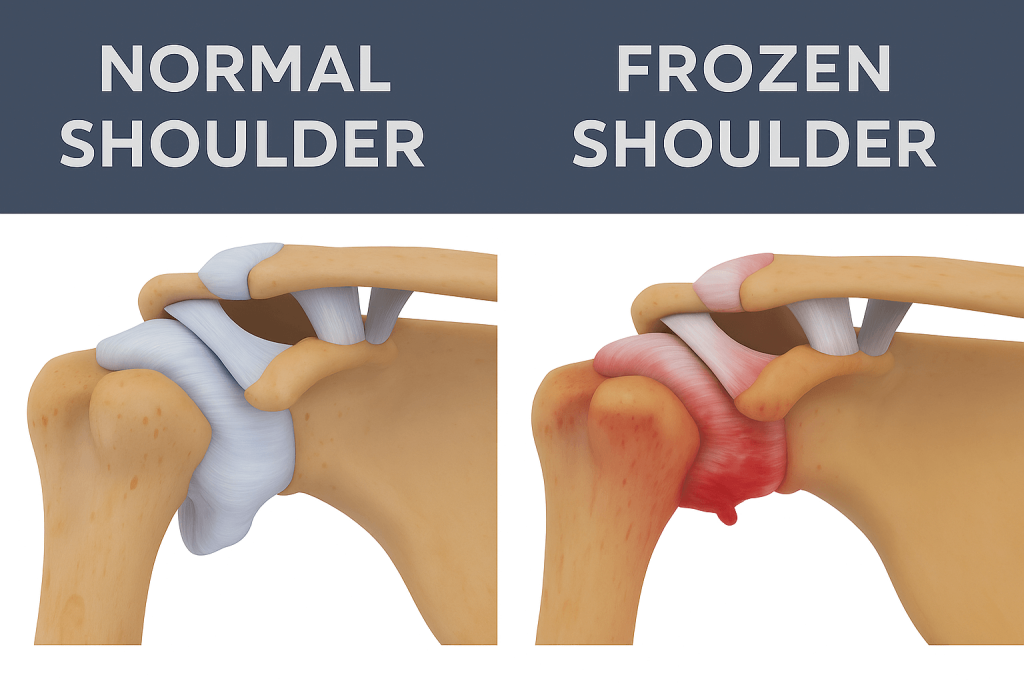
Frozen shoulder, medically called adhesive capsulitis, tends to creep in slowly. It typically starts as mild stiffness, then progresses to a shoulder that simply won’t move — reaching or a shelf, fastening a bra strap, or scratching your back becomes genuinely difficult. What throws people off is that it often develops with no clear injury behind it, sometimes following something as unrelated as prolonged immobility after a fracture, or even diabetes.
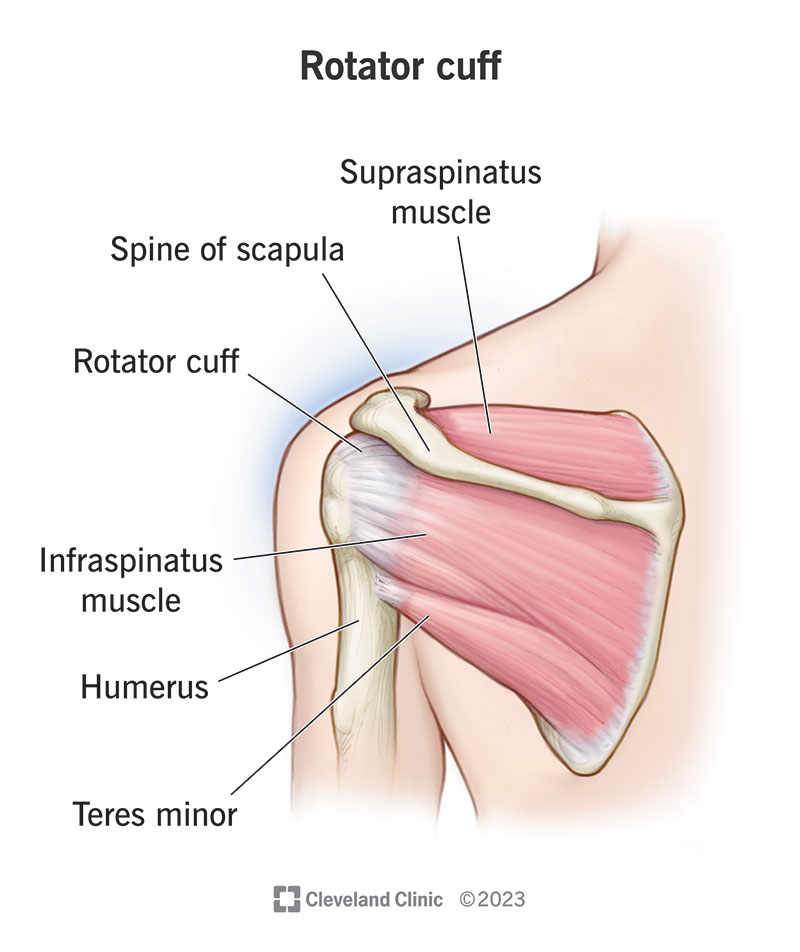
A rotator cuff tear, on the other hand, usually has a trigger — a fall, a sudden lifting strain, or repetitive overhead movement over the years. The hallmark here isn’t just stiffness but weakness — patients describe the arm suddenly feeling like it can’t hold weight, especially when lifting overhead, along with a deep ache that often worsens at night.
Here’s a quick test I use in clinic: with frozen shoulder, both active and passive movement (someone else moving your arm for you) are restricted. With a rotator cuff tear, passive movement is usually much better than active movement, because the joint itself isn’t stuck — the muscle just can’t power it.
Frozen shoulder often responds well to physiotherapy and, in some cases, a guided injection, resolving over months. A significant rotator cuff tear, especially in an active patient, may need arthroscopic repair to restore strength properly.
If your shoulder pain has lasted more than a few weeks, don’t self-diagnose off the internet — a clinical exam takes minutes and saves months of guessing.
Dr. Anand Jindal, Director & Head, Orthopedics and Joint Replacement Surgery, Park Hospital, Panchkula, evaluates shoulder pain to pinpoint the exact cause before recommending treatment.